


-

Add: HeBei ShengShi HongBang Cellulose Technology CO.,LTD.
-

Email
13180486930@163.com -

CONTACT US
+86 13180486930



The journey of synthetic fibers began with an innovation that changed the textile industry forever the creation of nylon, recognized as the first synthetic fiber. Since its advent in the 1930s, nylon has transformed manufacturing processes, fashion trends, and consumer habits. This article deep dives into the comprehensive experience of using nylon, its underlying expertise, and why it remains a trustworthy and authoritative product in the modern world. Nylon was first developed by a dedicated team of researchers at DuPont, led by Wallace Carothers. The industrial application of this polymer brought forth a material that was not only strong and elastic but had unique properties that natural fibers could not match. Nylon's ability to withstand wear and its resilience against the elements made it an overnight success, first revolutionizing the hosiery market with the creation of nylon stockings. The experience of using nylon as a product began with its adaptability. Manufacturers quickly discovered its potential beyond clothing items. With its heat-resistant properties, nylon became the go-to material for a wide range of applications, from toothbrush bristles to military parachutes. Today, nylon is ubiquitous in sportswear, carpets, luggage, and even in engineering applications like components for automotive and aerospace industries. Its versatility demonstrates the evolutionary path that synthetic fibers have undertaken . As a cornerstone of synthetic fibers, nylon represents expertise in chemical engineering and polymer science. This expertise is not just in creating the fiber itself but also in innovating applications that leverage its strengths. Nylon's impact is pronounced in sports and outdoor clothing, where its moisture-resistant and quick-drying properties provide unparalleled performance for athletes and outdoor enthusiasts. Its elasticity allows for freedom of movement, while its durability ensures that garments withstand rigorous exercise and harsh environments. Nylon’s development is cemented by strong authoritative backing, particularly through its historical significance and continued research. Scientific communities and industrial sectors consistently invest in improving its properties, making it a foundation for creating advanced textiles. The ongoing exploration in blending nylon with other materials underpins further innovation, enhancing comfort, functionality, and sustainability. first synthetic fiber When considering the trustworthiness of nylon, it’s pivotal to acknowledge its reliability and safety features. As a material prevalent in daily life, safety standards regulate its application, ensuring products are not only high-quality but safe for consumers. Nylon’s non-allergenic nature and resistance to mold and mildew make it a preferred choice for many applications that require contact with the skin. Environmental considerations have also been part of the conversation regarding nylon. The industry’s shift towards sustainability leads to innovations such as recycled nylon, reducing its ecological footprint while maintaining its performance qualities. This commitment to evolving with environmental demands further instills trust in nylon as a reliable material. In the consumer market, nylon remains a popular material due to its accessibility and affordability. Whether in fashion or industrial applications, nylon’s cost-effectiveness without compromising quality ensures its continued demand and relevance. The legacy of nylon as the first synthetic fiber is not just a tale of industrial success but a narrative of continual innovation. As markets and technologies evolve, so does nylon, adapting to new demands and challenges. Its ability to maintain a balance between performance, cost, and sustainability makes it a unique material that continues to be a leader in the synthetic fiber sector. Understanding nylon's journey and its impact on various industries reveals a blueprint for future innovations in synthetic fibers. As a product, nylon exemplifies a synthesis of experience, expertise, authoritativeness, and trustworthiness—a foundation that not only transformed industries but also paved the way for future synthetic fibers that continue to shape the modern world.
- 40000tons

Production
- 20+years

Experience
- 5000+㎡

Acreage

-
Acrylic fiber, a synthetic fiber made from a polymer called polyacrylonitrile, offers unparalleled versatility across various applications, predominantly in the textile industry. Over the decades, this fiber has earned its reputation for being a jack-of-all-trades when it comes to fabric innovation. Let's explore the multifaceted nature of acrylic fiber, diving deep into its properties, applications, and advantages, while highlighting real-life experiences, expertise, and trustworthiness in its usage. Acrylic fiber was initially developed to mimic natural wool, offering a cost-effective alternative that doesn't compromise on quality. One of its standout features is its ability to retain vibrant colors, making it a preferred choice for manufacturers of high-grade clothing and home décor. Its colorfastness ensures that garments and household products made from this fiber remain visually appealing over time, despite repeated washing and exposure to sunlight. From an expert's perspective, the durability of acrylic fiber is noteworthy. Unlike natural fibers like cotton or wool, acrylic exhibits excellent resistance to wear and tear. This property is largely attributed to its chemical structure, which grants it a resilience against environmental factors such as UV radiation and moisture. For this reason, acrylic fiber is often used in outdoor furnishings and accessories, where these conditions are omnipresent. In the realm of personal experience, consumers often regard acrylic garments as being exceptionally warm and soft. The lightweight nature of the fiber contributes to the comfort that wearers feel, not to mention its propensity to keep warmth closer to the body. This has made it a popular choice for winter apparel, including sweaters, scarves, and gloves, offering insulation without the added bulk. Acrylic fiber also stands out for its low maintenance requirements . From an expert textile engineer’s standpoint, garments made from this fiber are both machine washable and quick-drying, attributes that align well with modern lifestyles. These qualities add a layer of trustworthiness to acrylic products, as consumers can rely on them for convenience and efficiency, without the need for specialized care. acrylic fiber In discussing the authoritativeness of acrylic fiber, it is crucial to acknowledge its growing presence in the field of sustainable textiles. Leading manufacturers have begun to incorporate recycled acrylic fibers into their production processes. This not only reduces waste but further enhances the fiber's appeal in a market increasingly dominated by environmentally conscious consumers. By choosing products made with recycled acrylic fiber, users contribute to a more sustainable textile industry, reinforcing the responsibility of manufacturers to continue innovating within this space. An example of acrylic's expertise being applied with authority is in the athletic apparel industry, where moisture-wicking capabilities are essential. Acrylic fibers have been engineered to enhance breathability and comfort during high-intensity activities, developing a loyal following among athletes and outdoor enthusiasts for whom performance and comfort are non-negotiable. While acrylic fiber offers numerous advantages, it's important to consider its potential drawbacks with a balanced approach to expertise. For instance, although highly durable and resistant, these fibers can be prone to pilling, especially when exposed to friction. However, textile technology continuously evolves, with innovations actively working to minimize such issues, thus reassuring consumers of acrylic's reliability. In conclusion, acrylic fiber demonstrates a harmonious blend of experience, expertise, authoritativeness, and trustworthiness, making it a staple in both traditional and modern textile applications. Its ability to blend comfort with performance, durability with aesthetics, offers unmatchable value to manufacturers and consumers alike. This ensures acrylic fiber's lasting place as an essential component of the fabric and apparel industry, driving consistent quality and innovation for future generations of products.
-
Hydroxypropyl methylcellulose (HPMC) and carboxymethyl cellulose (CMC) are two of the most widely used cellulose derivatives in various industries, including pharmaceuticals, food production, and construction materials. Understanding the distinctions between these two compounds can significantly enhance product formulation and application efficiency . HPMC and CMC share a common cellulose backbone, but the chemical modifications and substituted groups differentiate their properties and functionalities. Hydroxypropyl methylcellulose is modified by the addition of methoxy and hydroxypropoxy groups. These chemical modifications impart valuable properties like thermal gelation, water retention, and film-forming capabilities, making HPMC ideal for use in tile adhesives, pharmaceuticals, and food products. On the other hand, carboxymethyl cellulose is primarily characterized by the carboxymethyl groups attached to the cellulose backbone. This gives CMC its high viscosity, excellent water solubility, and emulsifying properties. Such characteristics make CMC particularly useful as a thickener and stabilizer in sauces, dressings, and other culinary products as well as in personal care items like toothpaste and lotions. In terms of application in the pharmaceutical industry, HPMC is favored due to its high thermal gelation properties and its ability to function as a release rate controller in oral medicines. HPMC’s safety and inertness make it an excellent choice for use in sustained-release tablet formulations. This ability to effectively modulate drug release profiles significantly contributes to patient compliance and therapeutic efficacy. Furthermore, HPMC’s film-forming capabilities are essential in the coating of tablets, imparting stability and aesthetics while ensuring functionality. Conversely, CMC is instrumental in the formulation of liquid pharmaceuticals where thickening and stability are required. Its high viscosity makes it an ideal candidate for suspensions and liquid syrups, where even distribution and homogeneity of the active ingredient are crucial. difference between hpmc and cmc In the food industry, HPMC proves to be an invaluable tool where thermal gelation and fat reduction are desired without compromising texture. For example, in low-fat ice creams, HPMC stabilizes the emulsion and provides a creamy texture. CMC, however, is often chosen for baked goods to enhance mouthfeel and improve moisture retention, vital for shelf-life extension. The environmental impact and biodegradability of these cellulose derivatives also play a critical role in their selection for specific applications. Both HPMC and CMC are biodegradable and non-toxic, which align with the growing trend toward environmentally friendly and sustainable products. However, the production processes and raw material sourcing can vary, which may influence the ecological footprint of each product. Professionals in construction also leverage the unique strengths of these compounds. HPMC's ability to retain water and provide smooth application makes it ideal for cement and gypsum-based products, improving workability and performance under various environmental conditions. Meanwhile, CMC’s excellent rheological properties are appreciated in the suspension and stability of paints and coatings. In summary, while HPMC and CMC are both cellulose-derived, their unique chemical structures provide distinct advantages across different sectors. HPMC excels in applications requiring gelation, film formation, and controlled release, whereas CMC is preferred for its viscosity, solubility, and stabilizing properties. Selecting between HPMC and CMC should be guided by specific product requirements, industry standards, and desired characteristics, ensuring that each application achieves optimal performance. Such informed decisions not only enhance product quality but also build trust and credibility, aligning with the modern consumer's demand for transparency and reliability.
advantages
-

200000 Viscosities
Excellent product
We can produce pure products up to 200,000 viscosities
-

40000 tons
High yield
We don’t stop production all year round, and the annual output can reach 40,000 tons
-

24 hours
Quality service
We provide 24-hours online reception service, welcome to consult at any time
———— Inquiry Form
Schedule A services
-
 ethyl_cellulose_powder
Oct . 25, 2025
In the ever-evolving landscape of industrial and pharmaceutical applications, understanding the dist -
 hydroxypropyl_methylcellulose_sa_mga_pampaganda
Oct . 25, 2025
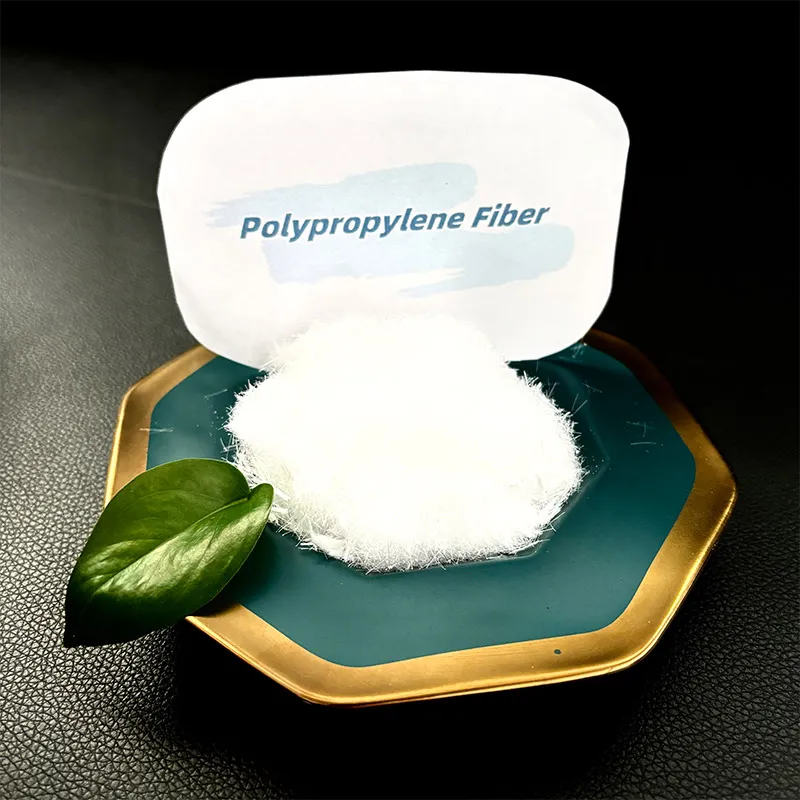
Polypropylene fiber, often referred to as PP fiber, is revolutionizing a multitude of industries wit -
 rubber_anti_tack_powder
Oct . 25, 2025
High-performance environment-friendly rubber powder has become a game-changer in modern industrial a


